When Food Recalls Make The News - August 2026
August 3, 2026
When Food Recalls Make the News…
What an outbreak can teach us about making smart not fearful food choices.
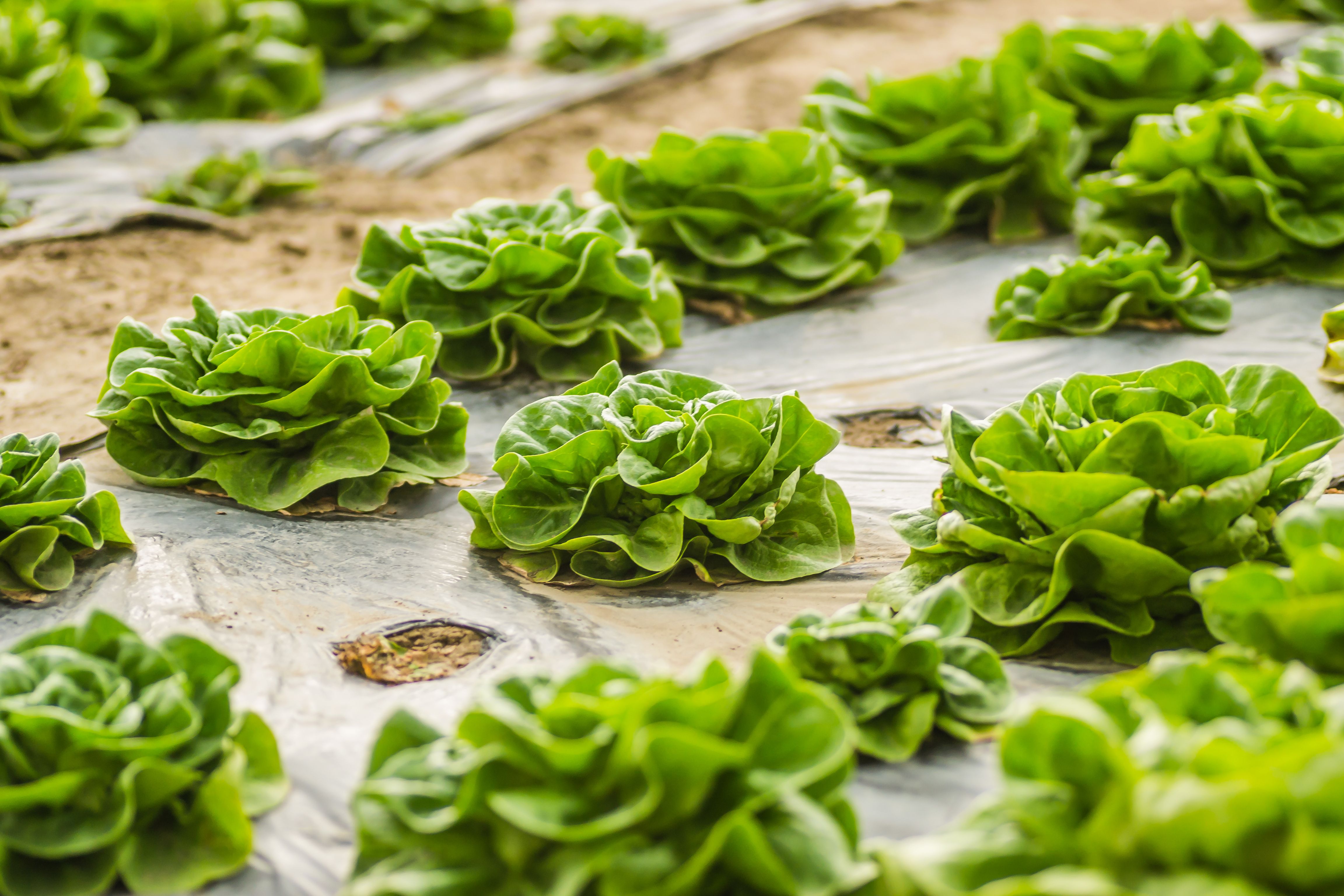
"Should I stop eating lettuce?"
"Are berries still safe to eat?"
"Should I stop buying fresh vegetables?"
When the recent parasite outbreak made the news, several clients asked me these exact questions.
The headlines and social media felt alarming. News reports focused on the dangers of contaminated produce, social media amplified the fear, and before long many people were wondering whether fresh fruits and vegetables were worth the risk at all.
The short answer is no. You do not need to stop eating fruits and vegetables.
Food recalls and outbreaks deserve our attention, but they can also create unnecessary fear and confusion. My goal isn't to convince you to ignore the headlines, it's to help you understand how foodborne illnesses occur and what practical steps you can take to reduce your risk without eliminating some of the healthiest foods in your diet.
As a Registered Dietitian Nutritionist (RDN), one area of our training that often surprises people is food safety. To become an RDN, we receive formal education in food microbiology, sanitation, food handling, and foodborne illness prevention. While I usually write about nutrition related topics, understanding how to keep food safe is also very much within my scope of practice.
So, let's separate the facts from the fear.
What is a foodborne illness?
Foodborne illnesses occur when food becomes contaminated with microorganisms or toxins capable of causing disease. While headlines often focus on the latest outbreak, foodborne illness has always been a part of our food system. The good news is that understanding how contamination occurs can help us make informed decisions without becoming fearful.
The most common causes of foodborne illnesses include:
Bacteria
Examples include Salmonella, E. coli, Listeria, and Campylobacter. These organisms can multiply under the right conditions and are responsible for many of the recalls you hear about.
Viruses
Norovirus is one of the most common causes of foodborne illness. Unlike bacteria, viruses don't grow on food. They are usually spread through contaminated food or infected food handlers.
Parasites
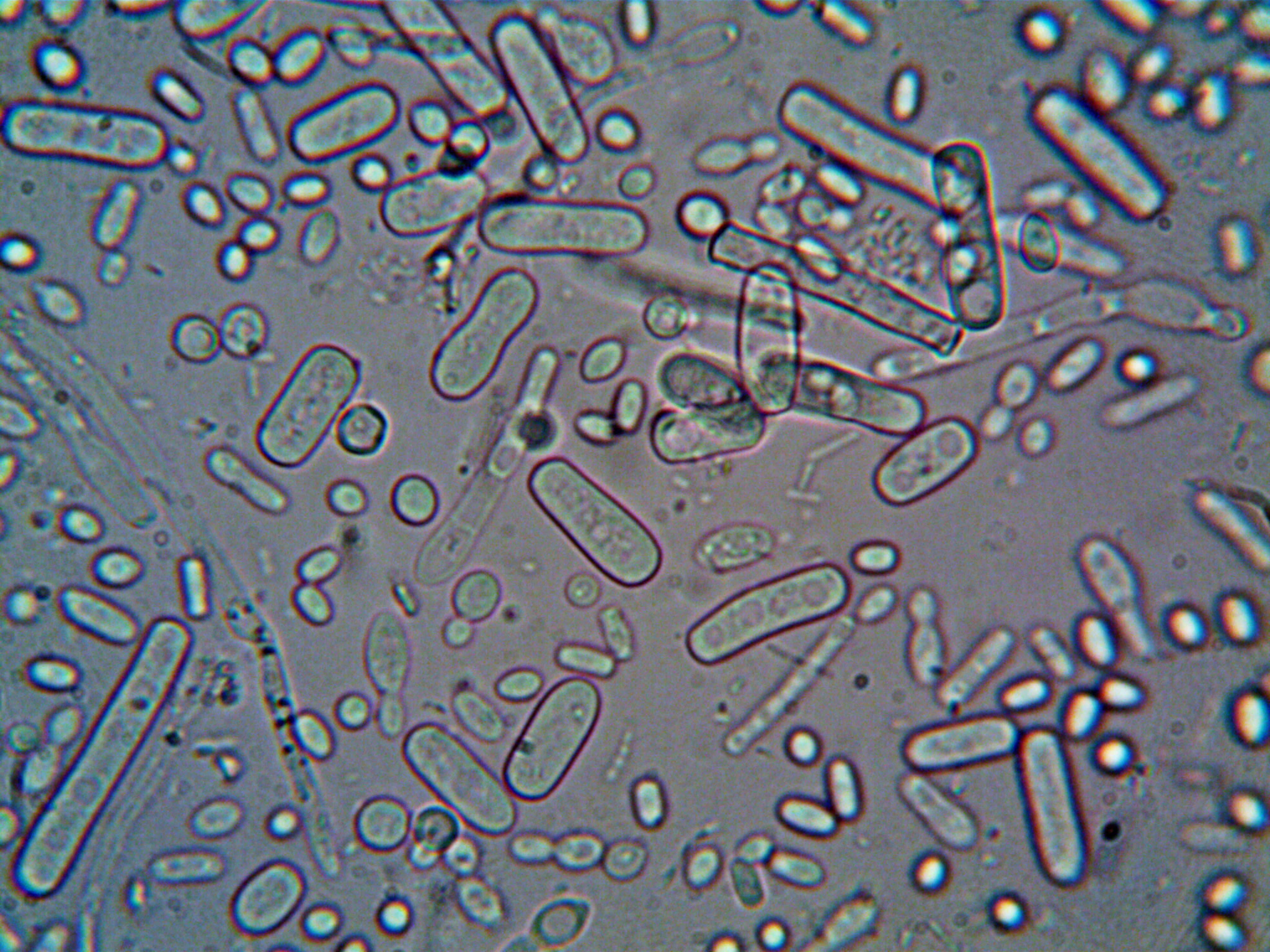
Parasites such as Cyclospora, Cryptosporidium, and Giardia are living organisms that can contaminate food or water. Unlike bacteria, parasites don't multiply once they're on food. Instead, contamination usually occurs before the food reaches your grocery store through contaminated irrigation water, soil, or handling during production.
Because many fruits and vegetables are eaten raw, they occasionally become involved in outbreaks.
What happened in the recent Cyclospora parasite outbreak?
The recent outbreak involved fresh produce that became contaminated before it reached consumers.
Cyclospora infection can cause watery diarrhea, fatigue, nausea, abdominal cramping, loss of appetite, and weight loss. Although most healthy people recover completely, symptoms can last for several weeks if left untreated.
The important takeaway isn't to avoid produce, it's to understand how recalls work.
One of the Biggest Misconceptions
One of the biggest misconceptions I see is that people hear "lettuce recall" and decide to avoid all lettuce or worse, all fruits and vegetables.
That is almost never what public health agencies recommend.
Instead, they identify the specific product, brand, lot number, or growing region involved so consumers can make targeted decisions rather than avoiding nutritious foods altogether.
What should you do during a food recall?
Don't let one recalled product keep you from eating one of the healthiest food groups available.
Instead:
✔ Read the recall carefully. These sites are where you will find information: https://www.foodsafety.gov/recalls-and-outbreaks or https://www.cdc.gov/foodborne-outbreaks/outbreaks/index.html
✔ Check the brand, lot number, package size, and use-by or best-by date.
✔ Throw away or return only the recalled product.
✔ Continue eating other fruits and vegetables.
✔ Follow updates from the FDA or CDC if the investigation changes.
✔ Pay attention to which foods are recalled, not just the headlines.
Should you stop eating fruits and vegetables?
Absolutely not.
The health benefits of eating fruits and vegetables far outweigh the relatively small risk of developing a foodborne illness.
In fact, avoiding produce because of alarming headlines could have a much greater impact on your long-term health than the outbreak itself.
The goal isn't to avoid healthy foods.
The goal is to handle them safely.
Who is most vulnerable?
While anyone can develop a foodborne illness, certain individuals are at higher risk for serious complications, including:
Pregnant women
Adults over age 65
Young children
Individuals undergoing chemotherapy
People taking medications that suppress the immune system
Organ transplant recipients
Individuals with certain chronic medical conditions
If you fall into one of these groups, your healthcare provider may recommend additional precautions, including choosing cooked vegetables over raw produce during certain outbreaks.
How can you reduce your risk?
While no method eliminates risk completely, these simple steps can significantly reduce your chances of becoming ill:
Wash your hands before preparing food.
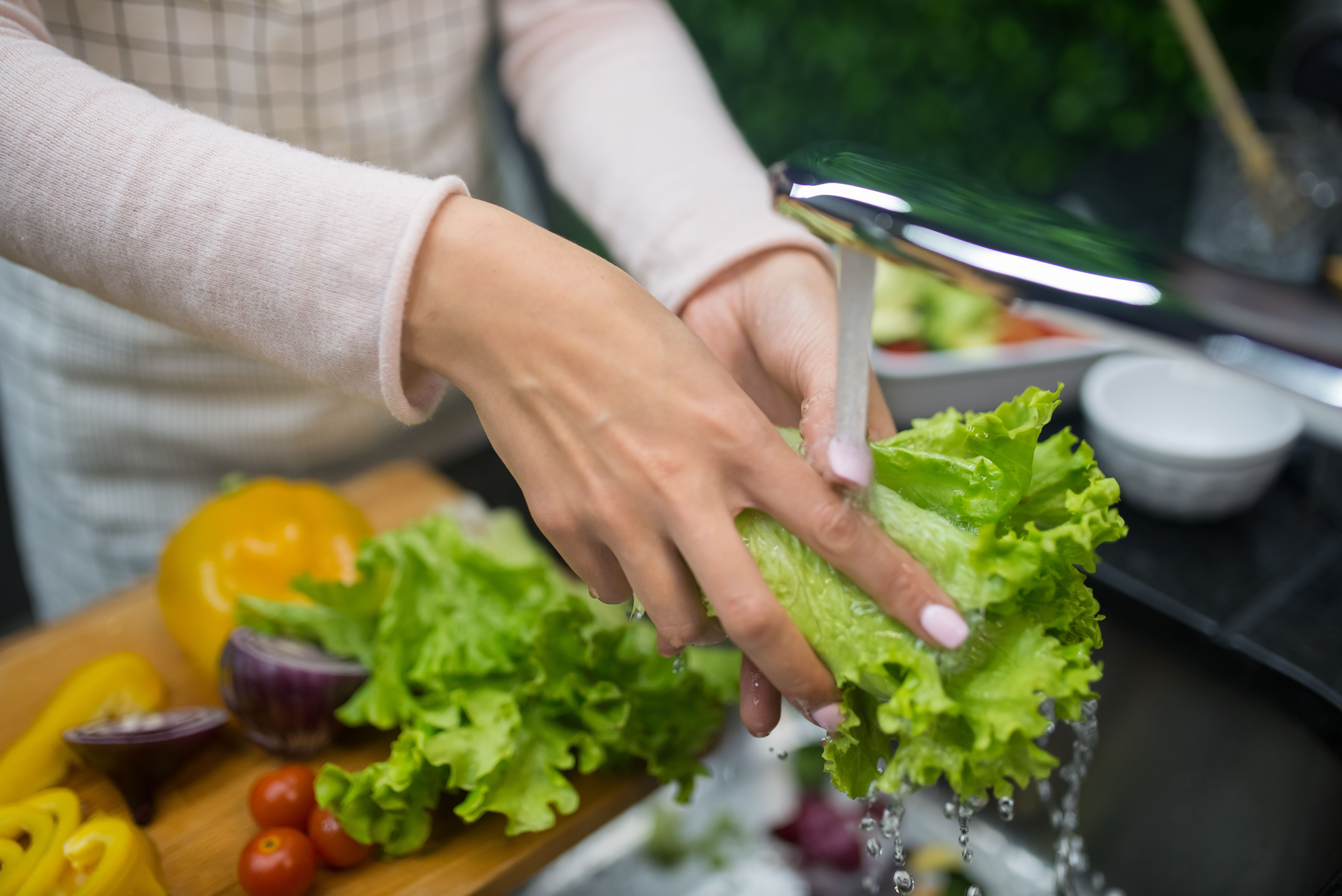
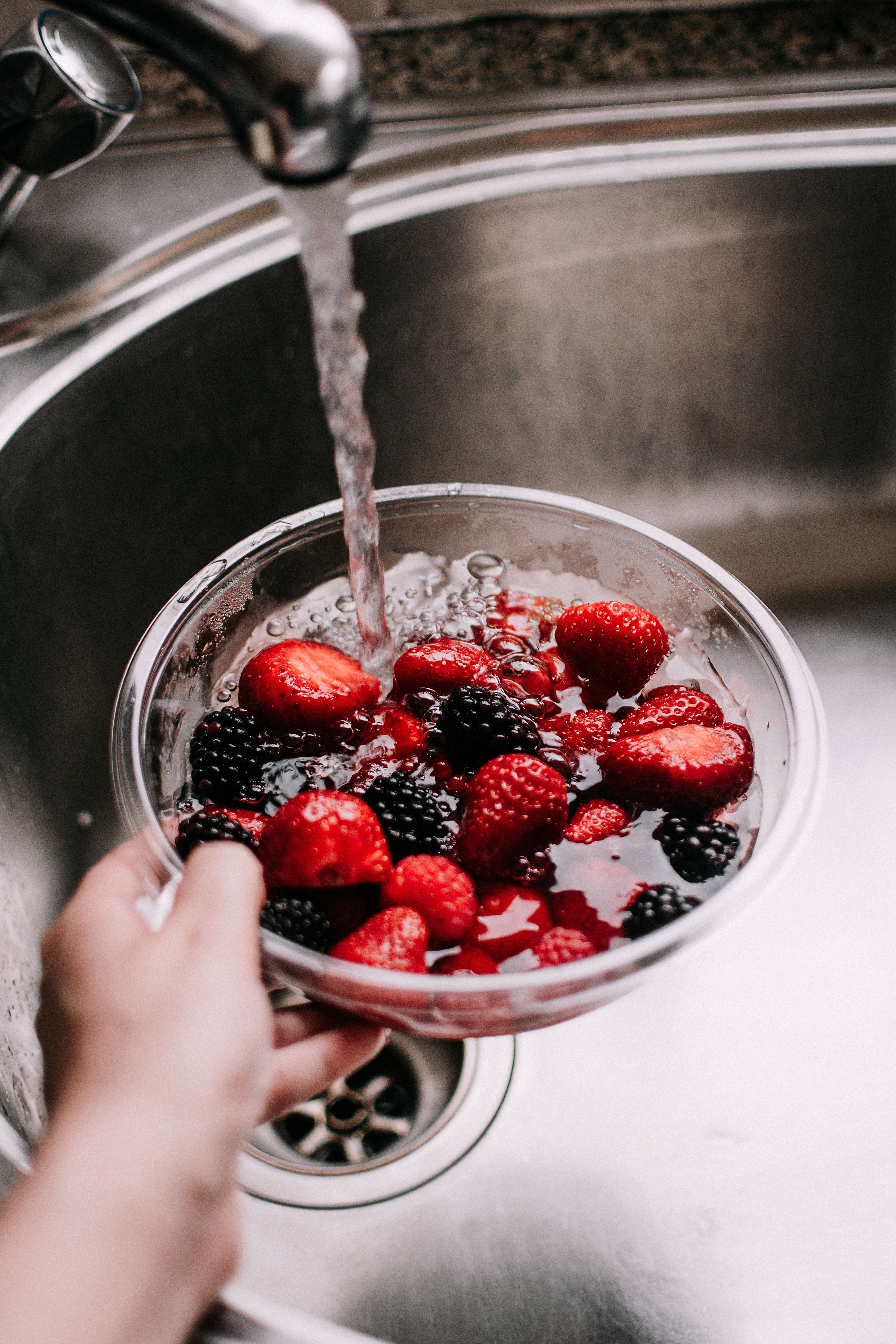
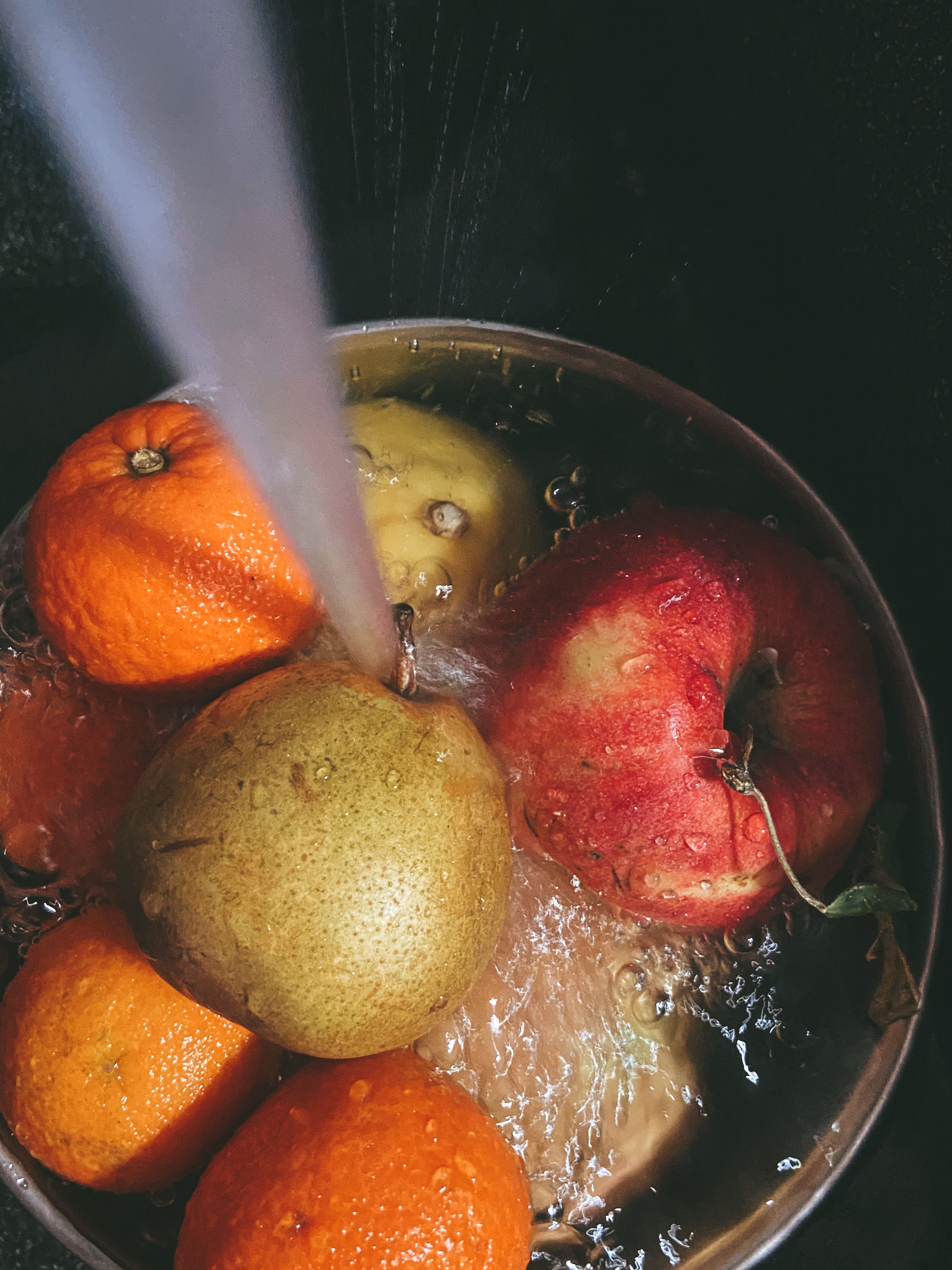
Rinse fresh fruits and vegetables under cool running water even if you plan to peel them.
Firm produce such as, cucumbers, melons, potatoes, and carrots can be gently scrubbed with a clean produce brush.
Keep raw meat, poultry, and seafood separate from fresh produce to prevent cross-contamination.
Refrigerate perishable foods promptly.
Cook foods to the recommended internal temperatures.
🐔 Chicken & Turkey (whole or ground): 165°F (74°C)
🥩 Ground Beef, Pork, Lamb & Veal: 160°F (71°C)
🥩 Steaks, Chops & Roasts (beef, pork, lamb, veal): 145°F (63°C)
🐟 Fish & Seafood: 145°F (63°C)
🥚 Egg Dishes & Casseroles: 160°F (71°C)
🍲 Leftovers & Casseroles: 165°F (74°C)
Tip: A food thermometer is the only reliable way to know your food has reached a safe temperature. Color alone isn't a dependable indicator of doneness.
Some research has shown that soaking produce for approximately 10–15 minutes in a baking soda and water solution (1 tsp for every 2 cups cold water) may help remove some pesticide and bacteria residues from certain fruits and vegetables, however, it does not reliably remove or kill parasites. While washing may also reduce some surface contamination, no home washing method including vinegar, baking soda, or commercial produce washes can guarantee removal of all bacteria, viruses, or parasites, particularly if contamination occurred before the food reached your kitchen.
Cooking, however, destroys many foodborne pathogens, making cooked vegetables and/or fruits an excellent option for people at higher risk.
What About Farmers' Markets?
Many people assume local produce is automatically safer.
The reality is a little more complicated.
Local farms often provide exceptionally fresh, nutritious produce, but food safety depends on growing practices, irrigation water, harvesting methods, handling, transportation, and storage, not simply where the food was purchased.
Whether you buy from a farmers' market, grocery store, CSA, or your own garden, safe food handling at home remains one of the best ways to reduce risk.
Myth vs. Fact
Myth: Refrigerating or freezing food kills harmful bacteria.
Fact: Refrigeration slows bacterial growth, and freezing stops bacteria from multiplying, but neither kills most foodborne pathogens.
Myth: Organic produce is less likely to cause foodborne illness.
Fact: Organic and conventionally grown produce are both susceptible to contamination from water, soil, animals, and food handling.
Myth: If produce looks fresh, it's safe.
Fact: Most foodborne pathogens cannot be seen, smelled, or tasted.
Myth: I should stop eating salads whenever there's a food recall.
Fact: Most recalls involve specific products, brands, farms, or growing regions, not every fruit or vegetable on the grocery store shelf.
Can Foodborne Illness Be Prevented?
Unfortunately, no.
There is no way to eliminate the risk entirely because contamination can occur anywhere along the food production chain from irrigation water and soil to harvesting, transportation, processing, distribution, or food preparation.
What we can do is dramatically reduce our risk by practicing good food safety habits and paying attention to recalls from trusted public health agencies.
One More Thought...
One thing many people don't realize is that hearing about more recalls doesn't necessarily mean our food supply is becoming less safe.
In many ways, it's the opposite.
Today's public health systems are far better at detecting outbreaks, tracing contaminated foods, and quickly notifying the public than they were decades ago. While that means recalls often make national headlines, it also means contaminated products are identified and removed from the market more efficiently than ever before.
That's good news.
My Takeaway
Every time a food recall makes the news, it's an opportunity to practice something that's becoming increasingly difficult in today's world: slowing down before reacting.
Rather than asking, "What food should I stop eating?" try asking, "What does the recall actually say?"
Often, you'll find that the recommendation is much more targeted than the headlines suggest.
That's one of the reasons I wanted to write this newsletter. Not because I want you to worry more about food safety, but because I want you to worry less.
Fresh fruit and vegetables remain some of the most powerful tools we have for supporting long-term health. My hope is that you'll continue enjoying them with good food safety habits, reliable information, and the confidence to make decisions based on evidence rather than fear.
Because in nutrition, as in so many areas of health, knowledge, not fear, is one of the best forms of prevention.
In good health,
Jane
How I Can Help
Whether you're working on improving your health, your nutrition, your relationship with food or navigating something more complex, I'm here to help.
For individuals looking for one-on-one nutrition guidance, for a variety of health issues, grounded in science, balance, and compassion: I see clients in my Boulder, CO practice and remotely.
My Online Programs

Preventing Eating Issues
For anyone of any age: My “Preventing Eating Issues” program provides practical tools for building a healthy, sustainable relationship with food.
Learn more
Eating Disorder Recovery Roadmap For Parents
For parents with a child struggling with disordered eating: My “Eating Disorder Recovery Roadmap For Parents” online program brings decades of in-person nutritional and counseling expertise to a remote learning environment, so you can understand and successfully navigate the journey to recovery no matter where you live.
Learn more
College Eating Habits
For college students that are wondering if their eating is “normal”, a “bad habit”, “disordered” or an “eating disorder” and how to get help in college, check out my College Eating Habits workshop.
Learn more