
The Workout Is Only Half the Story Why Recovery Matters September 2026
September 2, 2026
The Workout Is Only Half the Story: Why Recovery Matters
When we think about getting stronger or healthier, we tend to focus on what we do - the workout, the run, the hike, the practice, the strength training, etc. But what many people do not know, is that much of the actual work happens afterward.
Exercise is the stimulus. Recovery is when the body adapts.
Recovery matters at every age and recovery makes all the difference.
Recovery supports growth, hormones, bone development and performance. It allows us to maintain and build muscle, replenish energy and continue doing the activities we love. As we get older, recovery becomes even more important for maintaining strength, bone health, mobility and independence.
Yet recovery is often the piece we underestimate.
Your Body Has Work to Do After Exercise
Exercise places stress on the body and that's not necessarily a bad thing. It's part of how we become stronger and more fit. But exercise also uses stored energy, stresses muscle tissue and creates a need for repair.
Afterward, the body has to get to work.
Muscle tissue repairs and adapts. Glycogen (the carbohydrate stored in our muscles and liver) is replenished. Fluid and electrolytes are restored. The nervous system recovers. Hormones and immune function are supported. Bones remodel and respond to the forces placed on them.
All of that requires energy and nutrients. In a low energy state, all of these systems may be impaired.
If we continually ask the body to perform without adequately refueling it, we can eventually ask more from the body than we're giving back.

Carbohydrates Are Part of Recovery
Carbohydrates have gotten an undeserved and terrible reputation.
They are one of our body's preferred and most readily available sources of energy, particularly during exercise. Our muscles store carbohydrate as glycogen, and we draw from those stores when we're active.
And after exercise, we need to replenish them.
That doesn't mean you need a special recovery product every time you take a walk. It means that regularly including foods such as bread, cereal, rice, pasta, potatoes, fruit, oats, tortillas and other grains and starches gives your body the energy it needs to live and to be active.
Protein gets a lot of attention when we talk about exercise and recovery, and protein absolutely matters. It provides the building blocks needed to repair and build muscle.
But protein doesn't and shouldn’t replace carbohydrates.
Think of it this way: protein provides some of the materials for rebuilding, while carbohydrate helps provide the energy that allows the rebuilding to happen.
We need both.
Eating Enough Matters Too
You can choose all the “right” foods and still not recover well if you're simply not eating enough.
The body has a hierarchy of needs. It needs energy for your heart to beat, your brain to function, your body temperature to remain regulated, your immune system to work, your hormones to function and your organs to do their jobs.
Then we're asking our body to exercise, recover, build muscle and in children and adolescents, we are asking it to grow.
When there isn't enough energy available to do all of those things, the body has to make choices about where to conserve.
Sometimes the signs are obvious: fatigue, declining performance, frequent injuries, difficulty concentrating, irritability or feeling hungry all the time.
Other signs can be easier to miss: feeling cold, changes in menstrual cycles, GI problems, poor sleep, frequent illnesses, slower recovery, loss of strength or simply feeling like exercise is getting harder rather than easier.
These aren't signs that someone needs to become more disciplined. They are often signs that the body needs more support, not less support.

Rest Is Part of Training
Our culture tends to celebrate pushing through. More workouts. More steps. More miles. Don't miss a day. But bodies don't become stronger simply because we keep stressing them.
They become stronger when stress is followed by recovery.
Rest days allow muscles, connective tissue, bones and the nervous system time to recover. Sleep is also a huge part of this process. During sleep, the body is actively involved in tissue repair, immune function, memory, hormone regulation and many other processes that help prepare us for the next day.
Rest isn't the opposite of progress.
Rest is part of the process that creates progress.
Recovery Changes Across Our Lives
A 15-year-old athlete, a 40-year-old recreational runner and a 70-year-old who strength trains may have very different bodies and goals, but the basic physiology remains remarkably similar.
All three need enough energy.
All three need carbohydrates.
All three need protein.
All three need sleep.
And all three need recovery.
What changes is how much recovery we may need and what we're asking our bodies to recover from. A growing teenager is simultaneously supporting exercise, puberty, brain development and bone growth. A busy adult may be balancing exercise with work, parenting and inadequate sleep. An older adult may need more intentional recovery between challenging workouts while also prioritizing adequate protein and resistance exercise to preserve muscle.
There isn't a one size fits all approach to fueling.
The goal is learning to pay attention to what your body is telling you.
Sometimes More Isn't Better
One of the most important things we can teach ourselves and our kids is that health isn't created by continually doing more.
More exercise isn't always healthier.
Eating less isn't always healthier.
Being leaner isn't always healthier.
And taking a day off isn't being lazy.

Our bodies are incredibly adaptive, but adaptation requires resources.
Movement provides the challenge. Food provides the fuel. Rest provides the opportunity to rebuild.
We need all three of these components.
So, the next time you finish a workout, a long hike, a practice or simply a very active day, remember that the work isn't necessarily over.
Your body still has something important to do.
Give it the fuel and the time to recover.
Putting Recovery Into Practice
Recovery doesn’t have to be complicated, but the longer and harder you exercise, the more important it becomes to intentionally replace what your body has used.
After a longer or more demanding workout, generally an hour or more of moderate-to-high intensity exercise, or a challenging strength-training session consider having a recovery meal or snack within about 30–60 minutes, particularly if you won’t be eating a meal soon or will be exercising again that day.
A few guidelines can help:
Include carbohydrates and protein. Carbohydrates replenish the glycogen used during exercise, while protein provides the building blocks for muscle repair and adaptation. After prolonged endurance exercise, a carbohydrate-to-protein ratio of approximately 3:1 or 4:1 can be an easy guideline. Think cereal with milk and fruit, yogurt with granola and fruit, chocolate milk, a turkey sandwich with fruit, or a smoothie with milk, fruit and protein.
Aim for enough protein. About 20-40 grams of protein after a challenging workout is appropriate for many adults, or approximately 0.25-0.4 grams/kg of body weight. But protein after exercise is only one piece of the puzzle - getting adequate protein throughout the entire day matters too.
Replenish carbohydrates. Following prolonged or glycogen-depleting exercise, approximately 1–1.2 grams of carbohydrate/kg of body weight can help replenish glycogen stores, particularly when another workout or competition is coming soon. Most recreational exercisers don’t need to calculate this, just simply make sure carbohydrates are a substantial part of the recovery meal or snack.
Replace fluids. Rehydrate after exercise, and if you’ve been exercising for a prolonged period, sweating heavily or exercising in the heat, replacing sodium and other electrolytes is important.
Give your body time to recover. After challenging strength training, allowing around 48 hours before heavily training the same muscle group again is a reasonable general guideline. Rest doesn’t necessarily mean doing nothing - walking, stretching and gentle movement can all be part of a recovery day.
Prioritize sleep. Most adults need about 7–9 hours of sleep each night, while teenagers generally need 8–10 hours. Sleep is when a tremendous amount of physical recovery and adaptation takes place.
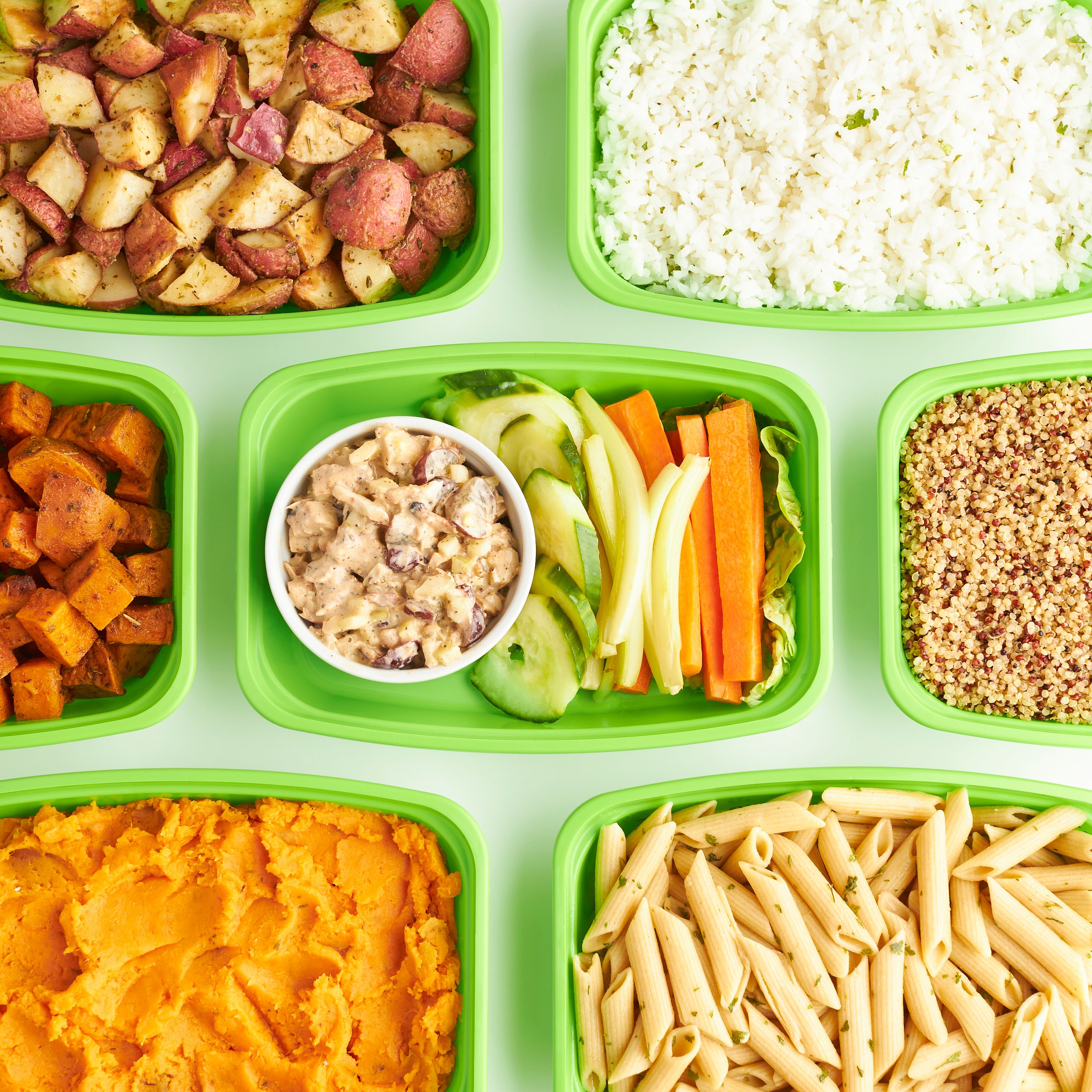
And remember, the 30–60 minute window isn’t a rule everyone needs to follow. If you’ve eaten adequately before your workout and have a meal coming soon afterward, there is no need to race for a protein shake the minute you finish exercising. The bigger picture - eating enough throughout the day, including adequate carbohydrates and protein, getting enough sleep and allowing time for recovery - matters much more.
Which one of these areas do you need to improve?
The Bigger Picture
We often think the workout is the part that makes us stronger, but exercise is only one piece of the equation.
Our bodies need enough energy and nutrients to respond to the work we're asking them to do, and they need enough rest time to make those adaptations. This is true whether you're 15, 40 or 70.
Taking recovery seriously doesn't mean doing less for your health, it means giving your body what it needs to benefit from everything you're doing.
Move your body, fuel it well, let it rest, and remember that all three are part of taking care of yourself.
In good health,
Jane
How I Can Help
Whether you're working on improving your health, your nutrition, your relationship with food or navigating something more complex, I'm here to help.
For individuals looking for one-on-one nutrition guidance, for a variety of health issues, grounded in science, balance, and compassion: I see clients in my Boulder, CO practice and remotely.
My Online Programs

Preventing Eating Issues
For anyone of any age: My “Preventing Eating Issues” program provides practical tools for building a healthy, sustainable relationship with food.
Learn more
Eating Disorder Recovery Roadmap For Parents
For parents with a child struggling with disordered eating: My “Eating Disorder Recovery Roadmap For Parents” online program brings decades of in-person nutritional and counseling expertise to a remote learning environment, so you can understand and successfully navigate the journey to recovery no matter where you live.
Learn more
College Eating Habits
For college students that are wondering if their eating is “normal”, a “bad habit”, “disordered” or an “eating disorder” and how to get help in college, check out my College Eating Habits workshop.
Learn more