Changing Seasons, Changing Bodies October 2026
October 1, 2026

Changing Seasons, Changing Bodies
There is something about fall that makes change feel especially visible. The leaves change color, the days get shorter, and we accept that this is simply part of the natural rhythm of the seasons.
Yet when it comes to our own bodies, we often have a much harder time allowing for change.
We live in a culture that sends us the message that if we eat the “right” foods, exercise enough, take the right supplements, and have enough discipline, we should somehow be able to keep our bodies looking the way they did at 25, 35 or 45.
I see this often in my practice. As bodies begin to change with age, people can become worried that something is wrong or that they need to change the way they eat to get their “old” body back.
But bodies are not meant to remain unchanged for a lifetime.
Our bodies change throughout adulthood. Hormones shift. Muscle and bone change. Where we carry weight can change. Our digestive systems and gut microbiomes evolve. Even the way we absorb and utilize certain nutrients can change.
And our nutritional needs change right along with us.
So, what does that actually mean when it comes to taking care of ourselves? There are four areas of nutrition science that become especially relevant as we age.
Muscle & Protein
One of the biggest changes that occurs as we age involves muscle. We gradually lose muscle mass as we get older, and our muscles can become somewhat less responsive to the protein we eat. This is sometimes called anabolic resistance.
The good news? There is a lot we can do to support our muscle.
One of the things we can do is to eat enough protein. However, rather than concentrating most of your protein at dinner, try including a meaningful source of protein throughout the day. Think eggs or Greek yogurt at breakfast, beans, chicken, fish, tofu or cottage cheese at lunch, and another protein source at dinner. Snacks can contribute, too.
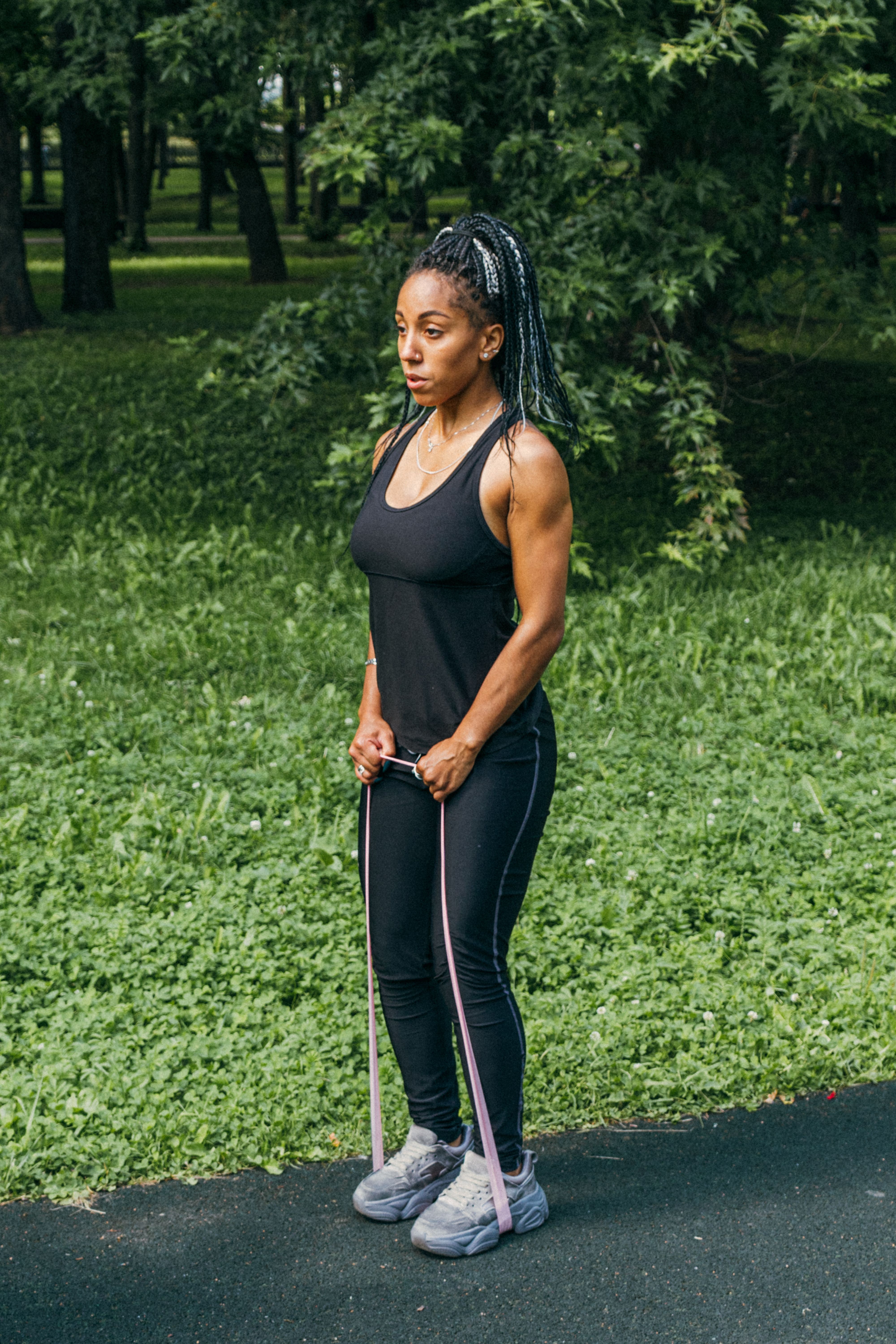
And perhaps just as importantly, we need to continue using our muscles. Resistance exercise becomes increasingly valuable as we age. This doesn't have to mean becoming a bodybuilder. Weights, resistance bands, Pilates and body-weight exercises can all provide the stimulus our muscles need.
What can you do?
Include a good source of protein at each meal – meat, fish, chicken, turkey, eggs, dairy, beans, soy, protein powder.
Don't chronically under-eat; your body needs enough overall energy to maintain muscle.
Incorporate resistance or strength exercise regularly at least 2-3x/week.
Remember that carbohydrates help fuel the activity that allows you to build and maintain muscle.
Bone Health & Changing Nutrient Needs
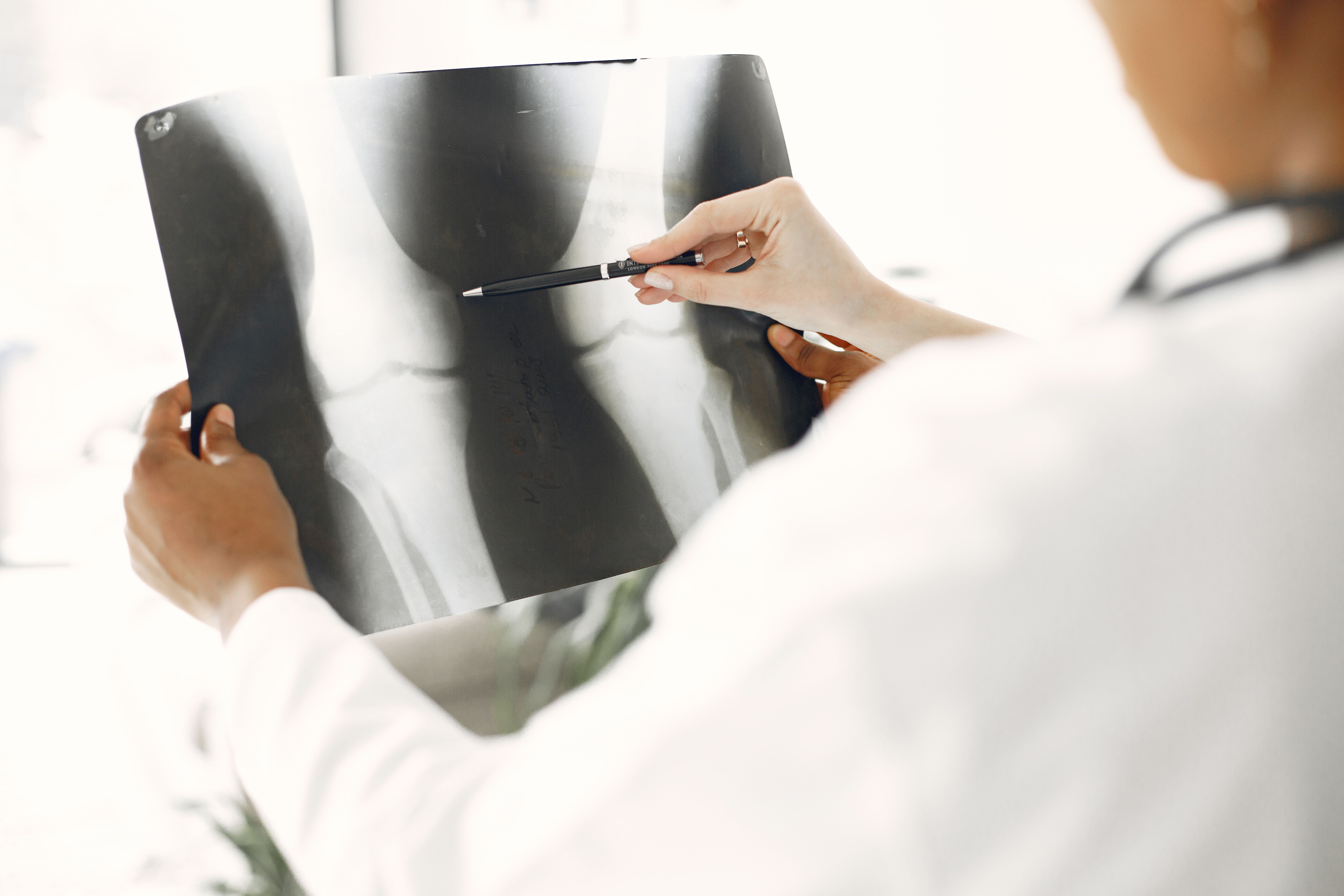
Our bones change throughout our lifetime, too. Bone is living tissue that is constantly being broken down and rebuilt.
With age and particularly with the decline in estrogen for woman during and after menopause, bone loss can accelerate. Adequate overall nutrition, protein, calcium and vitamin D all play important roles in maintaining bone.
Our needs for some nutrients also change as we move through different stages of life.
Iron is a great example. Premenopausal women generally need considerably more iron because of menstrual blood loss. After menopause, iron needs decrease and become similar to those of adult men. More isn't always better, which is one reason I don't recommend automatically adding iron supplements without knowing whether they're needed.
Vitamin B12 is a little different. As we get older, changes in stomach acid and other gastrointestinal factors can make it harder for some people to absorb the B12 naturally present in food.
In other words, aging doesn't simply mean that we need more nutrients. It means our nutritional needs change.
What can you do?
Regularly include calcium-rich foods such as dairy products, fortified plant milks/foods, calcium-set tofu and other calcium-rich foods.
Make sure you're getting adequate vitamin D and ask your healthcare provider whether your level should be checked.
Include adequate protein.
Do weight-bearing and resistance exercise.
Talk with your healthcare provider about B12 or iron testing when appropriate rather than assuming you need supplements.
Don't overlook adequate overall nutrition. Chronically eating too little isn't good for bones.
Hormones & Body Composition
Hormones change throughout our lives in both women and men.
For women, menopause creates a relatively dramatic decline in estrogen that can affect bone, muscle and body composition, including a tendency for fat to be stored more centrally around the abdomen. Men also experience hormonal changes with a potential decrease in testosterone with age, although testosterone generally declines gradually and varies considerably from person to person.
As our bodies and body composition change with age, it's common to respond by trying to control those changes through food. Carbs get cut. Portions shrink. Intermittent fasting begins. On the other end of the spectrum, some people dramatically increase protein or turn to increased supplements in an effort to preserve or rebuild muscle. More isn't always better, the goal is optimal, balanced nutrition that supports the whole body.
And while hormonal changes are a normal part of aging, that doesn't mean you simply have to live with symptoms that significantly affect your quality of life. Women experiencing difficult menopause symptoms can discuss treatment options, including hormone replacement therapy, with their healthcare provider. Men experiencing significant changes in energy, sexual function or muscle should also be evaluated rather than assuming everything is simply due to age.
What can you do?
Eat regular, adequate meals that include carbohydrates, protein and fat.
Include adequate protein throughout the day without allowing protein to crowd out carbohydrates, fats, fruits, vegetables and other important foods.
Prioritize resistance exercise, weight-bearing activity, sleep and recovery.
Seek medical guidance when hormonal symptoms are affecting your quality of life.
Focus on strength, cardiovascular fitness, mobility, energy and overall health rather than weight alone.
The Gut Microbiome
One of the most fascinating areas of aging research involves the gut microbiome - the enormous community of microorganisms living in our digestive tract.
Our microbiome isn't static. It changes throughout our lifetime and is influenced by age, medications, illness, environment, physical activity and, more importantly, what we eat.
This is also an area where supplement marketing has exploded. But you don't necessarily need an expensive probiotic to support your gut.
One of the most useful things you can do is simply feed your gut microbes fiber every day and a variety of foods.
What can you do?
Eat a variety of plant foods rather than relying on the same few fruits and vegetables every week. Each food has a different nutrient profile.
Include different sources of fiber: fruits, vegetables, whole grains, beans, nuts and seeds.
Include fermented foods such as yogurt, kefir, kimchi or sauerkraut.
Drink adequate fluids.
Remember that gut health is about the overall pattern of what you eat not finding the perfect probiotic.
You don't need to eat perfectly. Consistency over time AND variety over time is what matters.

The Emotional Side of Aging
There is another part of changing bodies that we don't talk about enough: grief.
There can be real grief in watching your body change.
You may miss the body you had at 25, 35 or 45. Clothes may fit differently. Your skin changes. Your muscle mass changes. Weight may redistribute. Getting older can bring changes you never asked for.
We don't have to pretend that we love every one of these changes.
Acceptance doesn’t mean doing nothing; it means caring for the body you have without constantly fighting the fact that it is changing.
There is so much we can do to care for our bodies as we age. We can build and maintain muscle. We can support our bones. We can nourish our brains and hearts. We can improve strength, balance, endurance and mobility. We can eat in ways that support our gut. We can address nutrient deficiencies and treat medical or hormonal issues when they arise.
Taking care of an aging body matters. At the same time, taking care of our bodies is different from believing we should be able to prevent them from aging.
I wonder how much of the grief we experience comes from the changes themselves and how much comes from living in a culture that tells us aging should somehow be invisible.
We are surrounded by messages about “anti-aging,” reversing our biological age, getting our old body back, fighting menopause weight gain and staying young. Aging itself is often presented as a problem we need to solve.
No wonder changing bodies can feel so difficult.
Perhaps part of healthy aging is learning to hold two things at once:
There are meaningful things I can do to care for and strengthen my body AND I don't have to fight every sign that my body is getting older.

Caring for the Body You Have Now
Nutrition through the decades isn't about keeping our bodies from changing.
It's about continuing to give our changing bodies what they need.
That may mean enough protein to support muscle, carbohydrates to fuel our brains and activity, fats that support health and satisfaction, calcium and vitamin D for our bones, fiber and variety for our gut and perhaps most importantly, enough food so our bodies can thrive.
It also means continuing to move our bodies, use our muscles, get appropriate healthcare, pay attention when something doesn't feel right, and make adjustments as our needs change.
There is a difference between supporting our bodies as they age and spending our lives trying to stop them from aging.
Our bodies have carried us through a lot of seasons. They deserve both our care and our compassion.
Maybe the question isn't:
“How do I stop my body from changing?”
Maybe it's:
“What does my body need from me in this season of my life?”
How I Can Help
Whether you're working on improving your health, your nutrition, your relationship with food or navigating something more complex, I'm here to help.
For individuals looking for one-on-one nutrition guidance, for a variety of health issues, grounded in science, balance, and compassion: I see clients in my Boulder, CO practice and remotely.
My Online Programs

Preventing Eating Issues
For anyone of any age: My “Preventing Eating Issues” program provides practical tools for building a healthy, sustainable relationship with food.
Learn more
Eating Disorder Recovery Roadmap For Parents
For parents with a child struggling with disordered eating: My “Eating Disorder Recovery Roadmap For Parents” online program brings decades of in-person nutritional and counseling expertise to a remote learning environment, so you can understand and successfully navigate the journey to recovery no matter where you live.
Learn more
College Eating Habits
For college students that are wondering if their eating is “normal”, a “bad habit”, “disordered” or an “eating disorder” and how to get help in college, check out my College Eating Habits workshop.
Learn more