Are We All Suddenly Protein Deficient? - November 2026
November 3, 2026
Are We All Suddenly Protein Deficient?
The science behind America's protein obsession and how much we really need.
Walk through a grocery store today and you'd think Americans were suffering from a national protein shortage.
Protein bars. Protein cereals. Protein coffee. Protein chips. Protein bagels. Protein water. Protein pasta. Protein popcorn. Even desserts proudly advertising their protein content. And the list goes on.
Somewhere along the way, protein went from being an essential nutrient to becoming a marketing superstar. Judging by the number of products boasting "20 grams of protein" on their packaging, you'd think we couldn't possibly be getting enough.
But here's the question: Are Americans actually protein deficient? Or have we simply become convinced that more protein is always better?
As with most things in nutrition, the answer is more interesting than the headlines.

First, are Americans getting enough protein?
For most Americans, the answer is yes.
National dietary surveys indicate that American adults consume roughly 80 grams of protein per day on average, although intake varies by age, sex, and individual eating patterns.
According to CDC research published in October 2026, protein accounted for approximately 15.5% of the calories consumed by American adults. While the established acceptable range is 10–35%, the upper end is considerably higher than most people need. Individual protein needs are better determined by age, body weight, activity level, and overall health rather than percentage of calories alone.
So, despite all the marketing suggesting otherwise, widespread protein deficiency is not the nutritional crisis facing most Americans.
But here's where the conversation gets interesting: Getting enough protein to prevent deficiency isn't necessarily the same as getting the amount that best supports your individual health.
The Recommended Dietary Allowance (RDA) is designed to meet the nutritional needs of nearly all healthy people in a particular age group. It's an important benchmark, but it doesn't necessarily represent the amount that best supports muscle maintenance, physical performance, or recovery from illness.
For a healthy, relatively sedentary 30-year-old, the standard recommendation may be sufficient. For a 70-year-old trying to maintain strength and independence, or someone regularly lifting weights, a higher intake may offer additional benefits.
Age, activity level, health status, and total calorie intake all influence protein needs.
So, while most Americans aren't protein deficient, some people may benefit from eating more protein than they currently do.
That's a very different message from suggesting everyone needs to double their intake.
Is there any truth to the protein craze?
Absolutely.
Protein is essential for building and maintaining muscle, repairing tissues, supporting immune function, and producing enzymes and hormones. It also contributes to fullness and satisfaction after eating.
Research has identified several situations where consuming more than the standard recommendation may be beneficial.
Older adults (65+): As we age, our bodies become less efficient at building and maintaining muscle, a phenomenon called anabolic resistance. Many experts recommend approximately 1.0–1.2 grams of protein per kilogram of body weight daily for healthy older adults. Research: PROT-AGE Study Group, Protein Recommendations for Older Adults
Physically active individuals: People who regularly engage in strength training or demanding exercise may benefit from approximately 1.4–2.0 grams per kilogram daily to support muscle maintenance, recovery, and training adaptations. Research: International Society of Sports Nutrition, Protein and Exercise
People recovering from illness or injury: Protein needs can increase when the body is healing or rebuilding tissue. Adequate overall calorie intake is equally important.
So yes, there's legitimate science behind higher protein recommendations.
But there's a difference between recognizing that some people benefit from additional protein and assuming everyone needs as much as possible.
The protein “Halo Effect”
Here's where I think the nutrition conversation has gotten particularly interesting.
Protein has developed what marketers love: a health halo.
A health halo occurs when one positive characteristic of a food leads us to assume the entire product is healthy.
A cookie with added protein is still a cookie. A Pop-Tart with added protein is still a Pop-Tart. And a protein bar isn't automatically more nutritious than yogurt, nuts, or a sandwich.
Adding protein doesn't magically erase a product's saturated fat, sodium, added sugar, or lack of fiber.
This doesn't mean protein-fortified foods are bad. Many are convenient, enjoyable, and genuinely useful. But we need to stop evaluating foods by a single number on the nutrition label.
According to the 2025 International Food Information Council survey, approximately 70% of Americans reported trying to consume protein, and protein was the most sought-after nutrient. Yet 79% of respondents in a related survey were unsure or unaware of how much protein they actually needed.
In other words, we're focused on consuming protein without necessarily knowing how much we need in the first place.
That's an important example of how nutrition marketing can influence our perceptions of health.
And it raises another question:
What nutrients are we paying less attention to while we're chasing protein?
Fiber, for one.
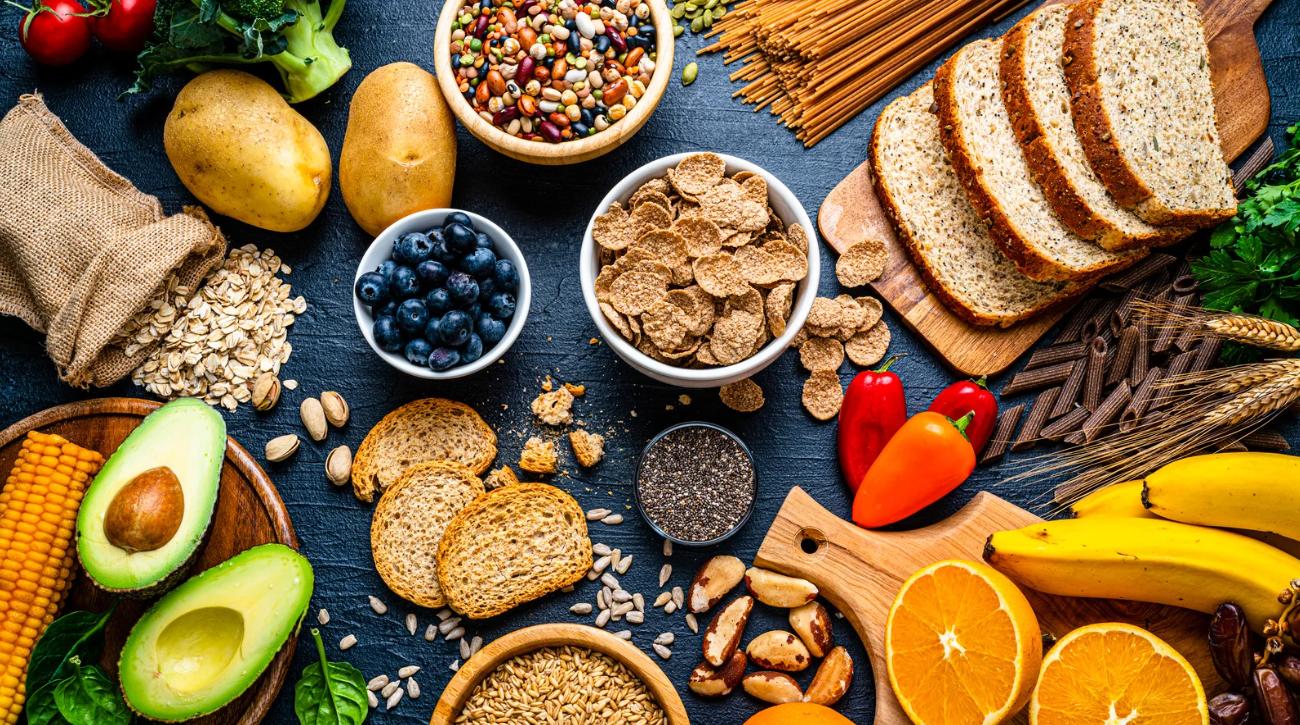
Most Americans fall short of recommended fiber intake, despite its well-established benefits for digestive health, cholesterol, blood glucose regulation, and the gut microbiome.
Yet we rarely see the same excitement over a food containing 10 grams of fiber as we do over one containing 20 grams of protein.
Maybe our priorities have become a little lopsided.
Can you get too much protein?
For most healthy adults, moderately higher protein intake is generally well tolerated. Research hasn't established that higher-protein diets within commonly studied ranges automatically damage healthy kidneys.
But that doesn't mean unlimited protein is better.
Very high-protein eating patterns can crowd out other important foods, including whole grains, fruits, vegetables, and legumes. Depending on the protein sources, they may also increase saturated fat intake or reduce dietary fiber. People with certain kidney conditions may need to individualize or limit their protein intake.
And here's something worth remembering: Your body doesn't automatically turn every extra gram of protein into muscle.
Muscle growth depends on resistance training, adequate energy intake, and recovery, not just protein consumption.
And, once you're meeting your individual needs, adding more protein doesn't necessarily provide additional benefits.

So how much protein do you actually need?
The longstanding Recommended Dietary Allowance (RDA) for most healthy adults is 0.8 – 1.2 grams per kilogram of body weight daily, or approximately 0.36 grams per pound. (To convert your weight from pounds to kilograms, divide by 2.2).
However, recommendations vary depending on age, activity level, and health status.
For example, someone weighing 150 pounds (68 kilograms) might consider the following daily amounts:
Situation Approximate daily protein
General adult RDA (0.8-1.2 g/kg) 55 – 82 grams
Healthy older adult (65+) (1.0–1.2 g/kg) 68–82 grams
Regular strength training (1.4–1.8 g/kg) 95–123 grams
These aren't rigid rules or targets everyone needs to reach. They're examples of how protein needs can vary.
Including protein-containing foods throughout the day is a practical way to meet your needs and support muscle maintenance.
For most people, the goal isn't to count every gram. It's to develop a consistent, varied eating pattern that provides enough protein for their individual needs.
Where should your protein come from?
Here's something that often gets lost in the conversation: The food your protein comes packaged in matters.
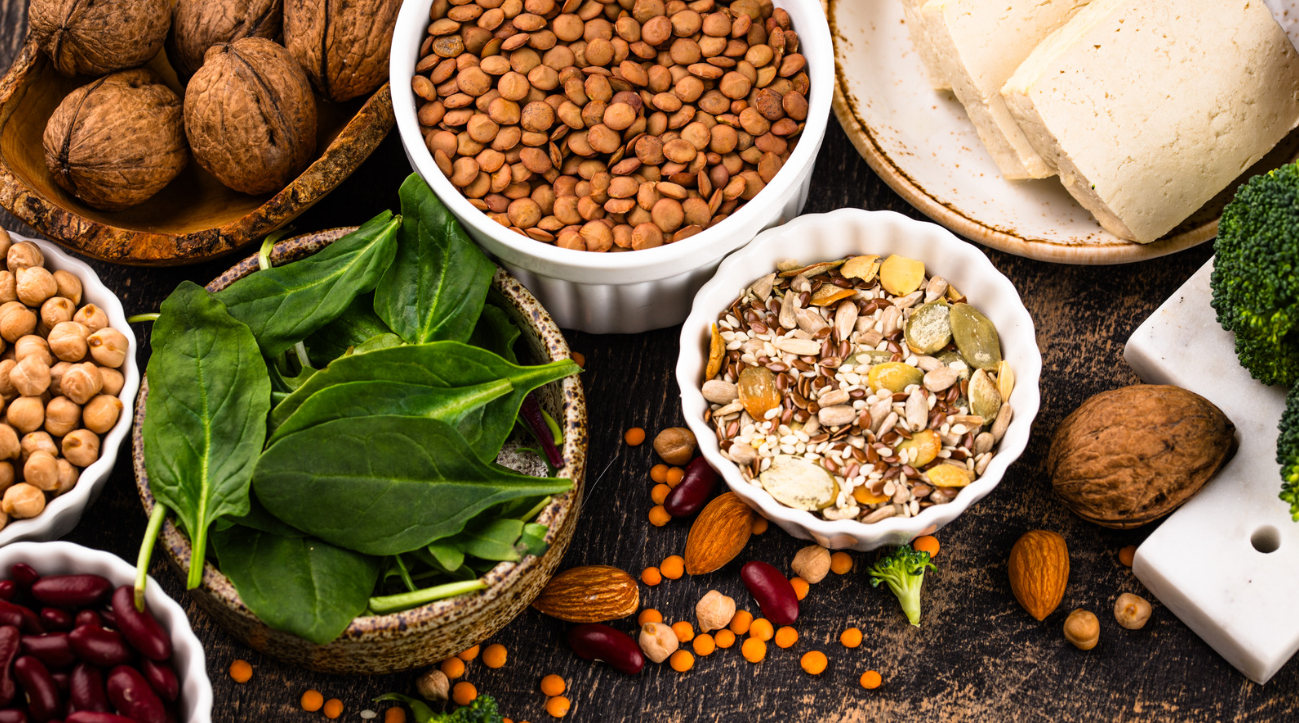
Salmon provides protein along with omega-3 fats. Beans offer protein, fiber, and minerals. Yogurt provides protein and calcium. Nuts and seeds contain protein alongside unsaturated fats.
And research supports paying attention to protein sources.
A 2020 systematic review and meta-analysis published in The BMJ, involving more than 700,000 participants, found that higher plant-protein intake was associated with lower risks of death from all causes and cardiovascular disease.
That doesn't mean everyone needs to become vegetarian. It means variety matters.
Here are some examples of protein from everyday foods:
3 ounces cooked chicken breast: approximately 26 grams
3 ounces cooked salmon: approximately 22 grams
1 cup Greek yogurt: approximately 18–23 grams
1 cup cooked lentils: approximately 18 grams
½ cup firm tofu: approximately 10–20 grams, depending on the product
1 cup milk: approximately 8 grams
2 eggs: approximately 12–13 grams
Protein doesn't have to come from a shake, powder or bar. For many people, ordinary meals and snacks provide plenty.
And protein powders certainly have their place. They can be convenient for athletes, people with increased needs, or anyone who struggles to meet their protein requirements through meals alone.
But they aren't inherently superior to food, and they don't provide the full range of nutrients found in a varied diet.

My Takeaway
Protein has always been essential to good health. What has changed is our growing belief that more is always better.
For some people, particularly older adults and those building or maintaining muscle, paying more attention to protein can make a meaningful difference.
But a healthy diet isn't defined by how many grams of protein you can squeeze into a day. It's defined by whole foods, variety, adequacy, balance, enjoyment and an eating pattern that supports your health over time.
Before reaching for the latest protein-fortified product, ask yourself a different question:
Am I actually missing protein in my diet, or have I just been convinced that I need more?
Because sometimes the healthiest nutrition decision isn't adding more of something.
It's questioning whether more is really better.
How I Can Help
Whether you're working on improving your health, your nutrition, your relationship with food or navigating something more complex, I'm here to help.
For individuals looking for one-on-one nutrition guidance, for a variety of health issues, grounded in science, balance, and compassion: I see clients in my Boulder, CO practice and remotely.
My Online Programs

Preventing Eating Issues
For anyone of any age: My “Preventing Eating Issues” program provides practical tools for building a healthy, sustainable relationship with food.
Learn more
Eating Disorder Recovery Roadmap For Parents
For parents with a child struggling with disordered eating: My “Eating Disorder Recovery Roadmap For Parents” online program brings decades of in-person nutritional and counseling expertise to a remote learning environment, so you can understand and successfully navigate the journey to recovery no matter where you live.
Learn more
College Eating Habits
For college students that are wondering if their eating is “normal”, a “bad habit”, “disordered” or an “eating disorder” and how to get help in college, check out my College Eating Habits workshop.
Learn more