Announcements

Announcements | Updates | Jane Reagan Nutrition

Below are upcoming and recent speaking engagements with Jane Reagan Nutrition, website & nutrition practice updates, our current newsletter and recent podcasts with Jane Reagan.

Speaking Engagements:

  • 12.4.25: Boulder Community Health/Hospital – Preventing Holiday Burnout with Strategies for Food and Mental Health
  • 12.10.25: Colorado School of Herbalism – The Role of Carbohydrates
  • 12.13.25: Colorado School of Herbalism – Eating Disorders in our Society
  • 12.18.25: Colorado School of Herbalism – The Psychology of Eating
  • 1.8.26: Boulder Community Health/Hospital
  • 1.9.26: Podcast – Healing By The Forkful
  • 1.12.26: Group Therapy Eating Disorders Training – Two River’s Therapy and Consulting in Fort Collins, CO

November Newsletter

The Cost of Confusion: When Fear Does More Harm Than Food

Jane Reagan Nutrition
It’s hard to know what to eat anymore.


Every week seems to bring a new headline about what’s “toxic,” “super,” or “off-limits.” 
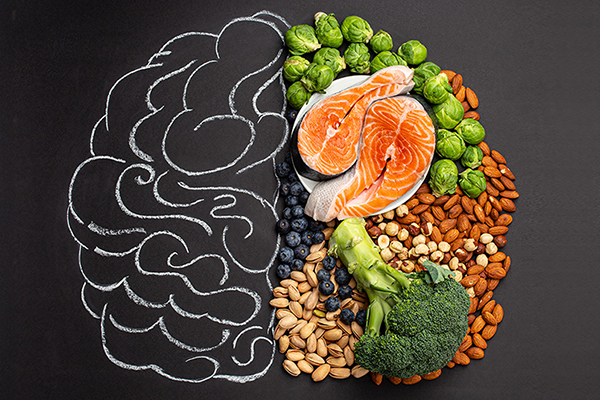
Even the most grounded eater can start to second-guess themselves. Is this granola too processed? Should I stop eating bread? Maybe I should cut carbs again… I’m going to eat keto or maybe a carnivore diet… Cutting those seed oils will make all the difference, right?

This constant swirl of advice has a cost.

Every day, I see in my practice: intelligent, caring people who just want to feel good in their bodies, but they end up anxious, restricted, and disconnected from the simple joy of eating.

Yes, our food system has its problems. Ultra-processed foods are everywhere and are causing health issues, food labels are misleading, and extreme diet trends are everywhere. Marketing tricks like “low-fat,” “gluten-free”, “superfood”, “natural” or “sugar-free” make foods seem healthier or better than they are. Social media pressure, and the constant cycle of telling us the new food to eat or stay away from all adds to the constant fear and confusion.

But sometimes, the fear we feel around these foods does more damage than the foods themselves.

One example I see over and over is the fear of “the Freshman 15.” Many college students are told they’ll gain weight in their first year of school. Some respond by restricting calories, skipping meals, or cutting out entire food groups, yet only to find themselves bingeing later or feeling heightened anxiety around eating.

The fear itself creates the problem it’s trying to prevent.

Fear-driven eating often leads to:

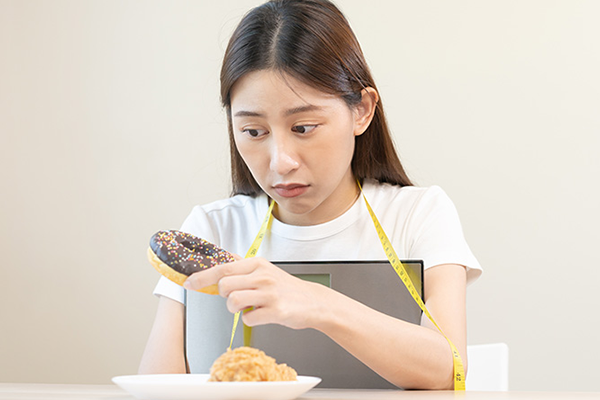
  • Anxiety around meals: constantly scanning for the “right” or “wrong” choice.
  • Over-restriction: which can backfire into overeating or guilt.
  • Disconnection from body’s cues: making it harder to feel hunger, fullness or satisfaction.

Many of you may be thinking, “But this food isn’t good for me – it has sugar, gluten, or something else I try to avoid. Why should I eat it?” And that’s a fair question. I’m not saying we should ignore health or throw caution to the wind.

But here’s what I do know: allowing ourselves some wiggle room, even with foods we’ve been taught to fear, often does more good than harm. When we eat with fear, the worry itself can cause stress, anxiety, and even physical symptoms that are more disruptive than the food ever could be. The brain and body are sensitive to fear. The tension, guilt, and hypervigilance around certain foods can actually make us feel worse than the occasional indulgence ever would.

Giving yourself permission to enjoy all foods, without judgment or panic, is not about “cheating” or being “careless”. It’s about reclaiming your ability to make your own choices, trust your body, notice hunger and fullness, and experience pleasure without fear.

Sometimes the mental burden of avoidance is far heavier than the food itself.

Of course, some people have medical conditions that make traditional “balance” more complicated. True food allergies, for example, mean that certain foods simply cannot be eaten.

But even for those with conditions like diabetes, cardiovascular disease, or other health concerns, allowing some wiggle room, which means enjoying foods in a way that fits their needs without fear, improves overall well-being.

Balance doesn’t mean perfection; it means finding a sustainable, flexible way to nourish your body while still respecting medical needs.

What if, instead of focusing on eliminating fear-based foods, you focused on eliminating fear itself?

What if we reminded ourselves (and even taught our kids) that a healthy relationship with food is built on curiosity, compassion, and flexibility?
 

What if we can care about health AND still enjoy food without judgment?

So much of nutrition confusion comes from a good place of wanting to do the right thing. But true health comes when knowledge meets balance, not fear or panic.

Maybe this week, you can try letting go of one small food fear or confusion. Eat the sandwich. Add the cream. Skip the label reading for one meal. Notice how you feel. How does it feel to eat from a place of calm, trust instead of fear? You might find that health isn’t harmed at all. What if real nourishment begins when fear isn’t driving the choice? That might actually be where real health starts.

Kind regards,

Jane Reagan Nutrition


Recent Podcasts With Jane Reagan (View More)

October 30th, 2025

Beyond the Meal Plan: What Every Parent Needs to Know About Eating Disorder Recovery With Expert Jane Reagan

September 19th, 2025

On The Mic at Family Dinner