
The New Dietary Guidelines Are Here:
But Do They Actually Help People Eat Better? - March 2026

The new 2025–2030 Dietary Guidelines for Americans just came out, and if you've seen the headlines and felt confused, you’re not alone.
After more than 25 years of sitting across from people in my office hearing their fears, their struggles, and their hopes around food. I can tell you this: guidelines only matter if they actually help people know how to eat in real life.
And these fall short in some important ways.
What’s New And Why It’s Confusing
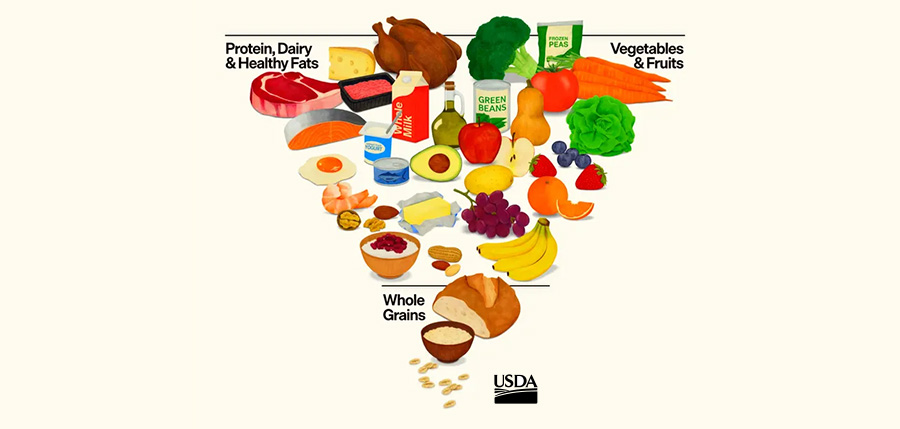
But the visual itself raises serious questions.
Butter and red meat now sit prominently at the top of the pyramid, while grains are pushed toward the bottom. Beans and legumes, one of the most well-established foods for longevity, gut health, and disease prevention are notably absent from the graphic entirely.
At the same time, the guidelines still recommend limiting saturated fat to less than 10% of total calories, yet elevating butter and beef visually sends the opposite message. This creates a contradiction that leaves people wondering: Am I supposed to limit these foods, or prioritize them? If I’m prioritizing them, how do I stick to 10% saturated fat?
Even leading researchers have warned this mixed messaging could increase saturated fat intake and raise cardiovascular risk.
And Then There’s Fiber
Fiber remains one of the most critically under-consumed nutrients in America, and it is foundational for:
-
Gut health
-
Blood sugar regulation
-
Cholesterol reduction
-
Brain health
-
Longevity
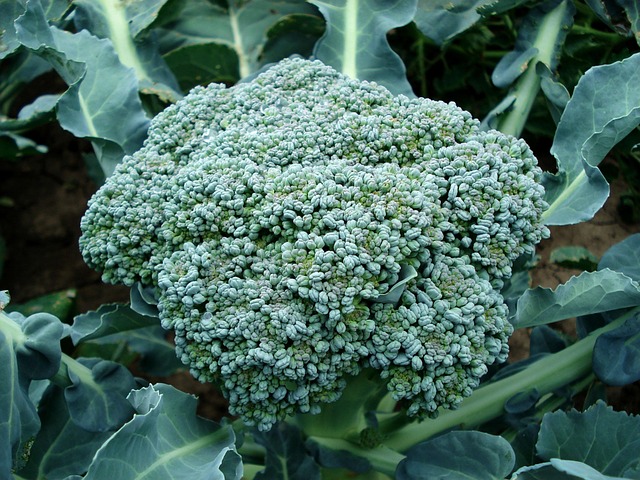
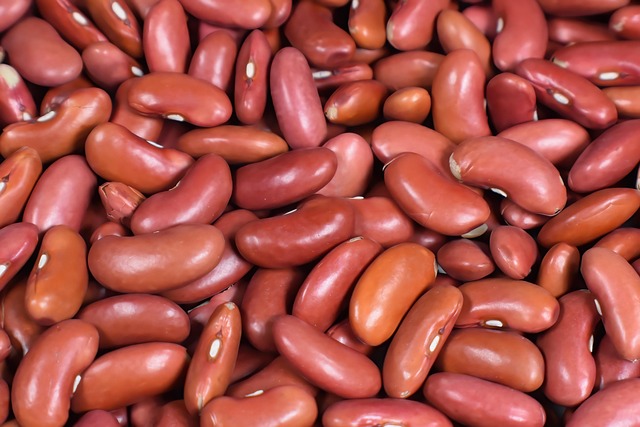
Yet fiber-rich foods including whole grains, beans, fruits, and many plant foods are visually minimized or missing in ways that fail to emphasize their importance. (Stanford Medicine)
This matters. Because most Americans are already not getting enough fiber, and visuals strongly influence behavior.
Ultra-Processed Foods: Clear Message, Vague Application
The guidelines appropriately discourage ultra-processed foods, which now make up nearly 60% of U.S. calories - great recommendation.
But here’s the challenge: “ultra-processed” is not clearly defined in a way most people can apply.
Does that include protein bars? Fortified cereals? Flavored yogurt? Whole grain bread? Plant-based milks?
Without a practical, understandable definition, this guidance risks creating fear rather than clarity. People need examples and real-life context not just a broad category that can easily be misinterpreted.
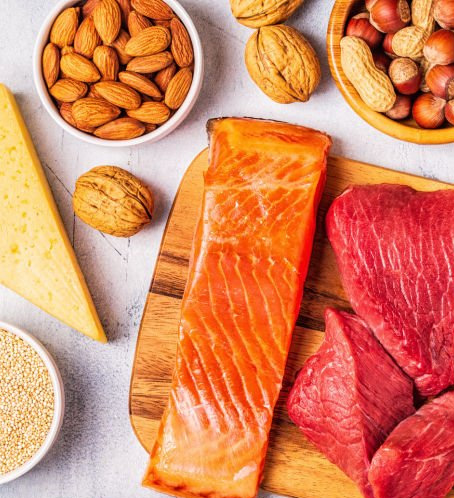
Protein: More Isn’t Always Better
The new guidelines increase recommended protein intake to 1.2–1.6 g/kg per day.
That level may be very appropriate for certain populations - older adults, athletes, or individuals recovering from illness.
But it may not be necessary for everyone.
When recommendations increase without context, people often interpret that as “more is better.” And without a clear definition of what qualifies as “high-quality protein,” confusion grows. Does that mean animal protein only? Does it include plant proteins?
Does it prioritize saturated fat content?
Protein adequacy matters. But so does balance especially when higher protein intake can displace fiber-rich carbohydrates that support gut and cardiovascular health.
The Sugar Recommendation Is Perhaps the Most Concerning
The new guidelines state that “no amount of added sugars or non-nutritive sweeteners is recommended or considered part of a healthy or nutritious diet,” and children should avoid added sugars until age 10.
While reducing excess sugar is a reasonable goal, this kind of rigidity doesn’t reflect real life or how children actually develop a healthy relationship with food.
When sugar is framed as something that must be completely avoided, it often increases fear, obsession, and overvaluation. Ironically, this can make sugar more powerful, not less.
We know from decades of eating disorder research and clinical experience that rigidity around food increases risk, while flexibility is protective. And currently eating disorders have the 2nd highest mental health mortality rate with opioid overdose being the 1st.
And children don’t need perfection. They need exposure, balance, and normalization.
And Perhaps Most Importantly - Eating Whole Foods Was Never the Missing Piece
The new pyramid emphasizes “eat real food,” but whole foods have always been part of dietary guidelines.
What’s missing isn’t the what. It’s the how.
Because telling someone to “eat real food” doesn’t help them understand:
-
How often to eat
-
How to shop or where to buy them
-
How to build a balanced plate
-
How to stabilize blood sugar and energy
-
How to eat without becoming restrictive or fearful
This is where people get lost. And this is where harm can quietly begin.
What I Tell My Clients and What Hasn’t Changed
|
||
|


How I Can Help
For individuals looking for one-on-one nutrition guidance, for a variety of health issues, grounded in science, balance, and compassion: I see clients in my Boulder, CO practice and remotely.
My Online Programs