

Can Food Really Improve Mental Health?
Here’s What I See Every Day…- July 2025
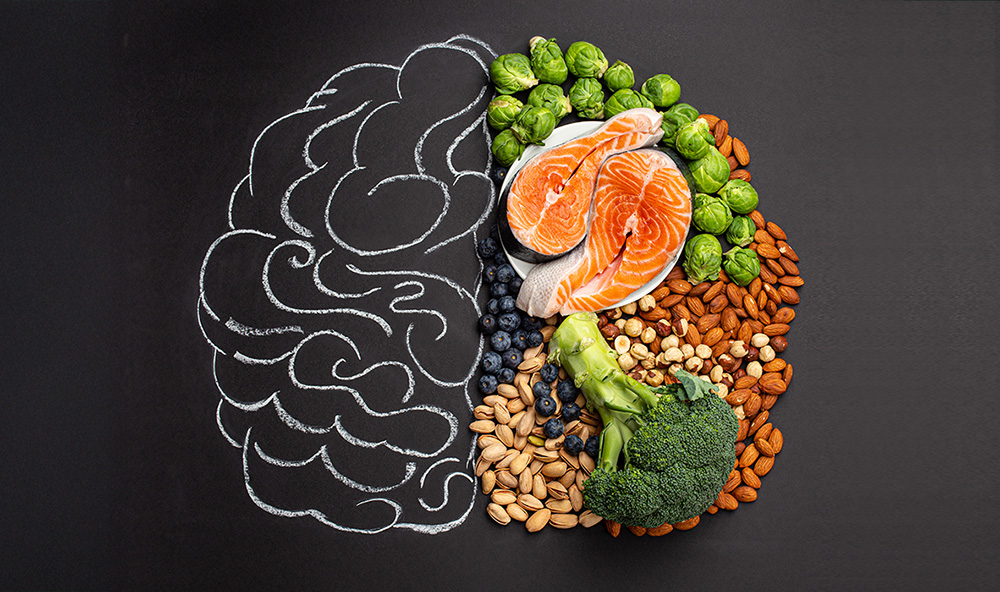
You've probably heard it before: “Just eat better, and you'll feel better.” It’s the kind of advice that can feel dismissive or too simplistic, especially when you're dealing with something as complex as mental health. But after working with people for over a decade who struggle with anxiety, depression, brain fog, ADHD, low energy, and disordered eating, I’ve seen it with my own eyes: food really does influence mental health.
Think of your brain like a car engine, without the right fuel, it sputters and stalls. Nutrients like B vitamins, vitamin C, omega-3 fatty acids, amino acids (from protein), magnesium, copper, and zinc are the premium gas your brain needs to keep running smoothly. Without enough of these building blocks, mood can plummet. I’ve witnessed clients’ moods stabilize dramatically just by eating more regularly, improving meal timing, and including a healthy balance of protein, carbs, and fats throughout the day.
This isn’t about fad diets or magical superfoods. This is about how your brain and body actually need certain nutrients consistently to function at their best.

Have you noticed how skipping meals or going too long without eating leaves you feeling cranky or foggy?
That’s your brain telling you it needs fuel!
It’s also about breaking habits that sabotage your mood.
Skipping meals, living on caffeine, avoiding carbs, or going too long without eating puts real stress on your brain and nervous system. I’ve worked with clients who were eating what looked like a “clean” diet but were under-fueled, overly restrictive, and constantly riding the blood sugar rollercoaster. Their brains were running on empty and their symptoms reflected that.
Mental health nutrition isn’t just about what you eat, it’s also about when and how you eat.
Here are 7 things that make a big difference for your mood and brain function:
1. Eat within an hour of waking up.
Have you noticed how going too long without breakfast can leave you jittery or foggy? Eating within an hour of waking helps stabilize cortisol, your body's main stress hormone, which naturally peaks in the morning. Without food, cortisol can stay elevated longer, signaling stress and leading to blood sugar swings, anxiety, or energy crashes later in the day. Think of breakfast as the green light to start your day with steady energy and mood.
Myth-buster: Skipping breakfast can keep stress hormones elevated longer, making anxiety and blood sugar swings worse.
2. Don’t go more than 3–4 hours without eating.
Your brain needs a steady supply of glucose to think clearly, regulate emotions, and stay calm. Long gaps between meals cause blood sugar dips, leading to irritability, anxiety, brain fog, and sugar cravings. Eating regularly keeps your mood, focus, and energy more balanced throughout the day.
Did you know? Going too long between meals can trigger your brain’s “stress alarm,” making anxiety and cravings worse.
3. Include carbs with each meal.
Higher carb foods like whole grains, potatoes, squash, oats, rice, pasta, beans, and fruit are your brain’s favorite fuel. When your body has enough carbohydrates, it spares protein to focus on building and repairing tissues, supporting immunity, and producing enzymes and hormones. Carbs also help support serotonin: our feel-good neurotransmitter.
Myth-buster: Avoiding carbs doesn’t make you healthier, it can actually worsen anxiety and mood swings.
4. Don’t skimp on good fats.
Omega-3s (found in salmon, walnuts, chia seeds, and flax) are critical for brain function and reducing inflammation. These healthy fats help build and maintain brain cell membranes, supporting communication between neurons. Adequate omega-3 intake is linked to better mood regulation and can reduce symptoms of anxiety, depression and ADHD, making them essential for mental health.
Did you know? Your brain is nearly 60% fat…eating healthy fats literally feeds your mind!
5. Make protein a priority.
Eggs, poultry, yogurt, lentils, tofu, fish, and cottage cheese provide large amounts of amino acids your brain needs to make neurotransmitters. These brain chemicals regulate mood, sleep, and focus. Without enough quality protein, your brain can’t function at its best. Aim to include protein at each meal to support consistent mental and emotional health.
Myth-buster: Protein isn’t just for muscles, it’s essential brain fuel that supports mood and focus.
6. Have balanced macronutrients at each meal.
Carbohydrates, proteins, and fats (the 3 macronutrients) together provide steady energy and help keep blood sugar stable. This balance supports optimal brain function, mood regulation, and physical performance. Plus, it helps prevent overeating by promoting feelings of fullness and satisfaction.
Did you know? Balanced meals can keep your energy and mood steady, no more afternoon crashes!
7. Include magnesium-rich foods.
Leafy greens, pumpkin seeds, and dark chocolate can soothe your nervous system and support sleep. Magnesium plays a key role in regulating your body’s stress response and promoting relaxation. Regular intake may improve sleep quality and reduce anxiety.
Myth-buster: Dark chocolate isn’t just a treat, it’s also a good source of magnesium that helps calm your nerves!
Of course, every person is different.
But over the years, I’ve seen that most people aren’t just missing nutrients, they’re missing enough consistency, enough calories, and enough compassion in how they approach food.

We can’t talk about mental health without talking about food. And we can’t talk about food without talking about how nourishment supports healing physically, emotionally, and neurologically.
If you or someone you love is struggling with mood or mental health, don’t overlook the power of food. It’s not a quick fix, but it is a foundational one and often the missing piece.
Remember: change doesn’t happen overnight, and it’s okay to take small steps. Nourishing your brain and body consistently is a powerful way to support your mental health for the long haul.
If you’re ready to take the next step toward better mental and physical health, we’re here to help. Book a personalized nutrition appointment or explore one of my programs designed to support your unique journey to healing and balance.
Let’s work together to find the nourishment and consistency your body and mind deserve.
|
|
||
|


How I Can Help
For individuals looking for one-on-one nutrition guidance, for a variety of health issues, grounded in science, balance, and compassion: I see clients in my Boulder, CO practice and remotely.
My Online Programs